The Long-Term Value of Investing in Termite Control Services
@marcoylmr464
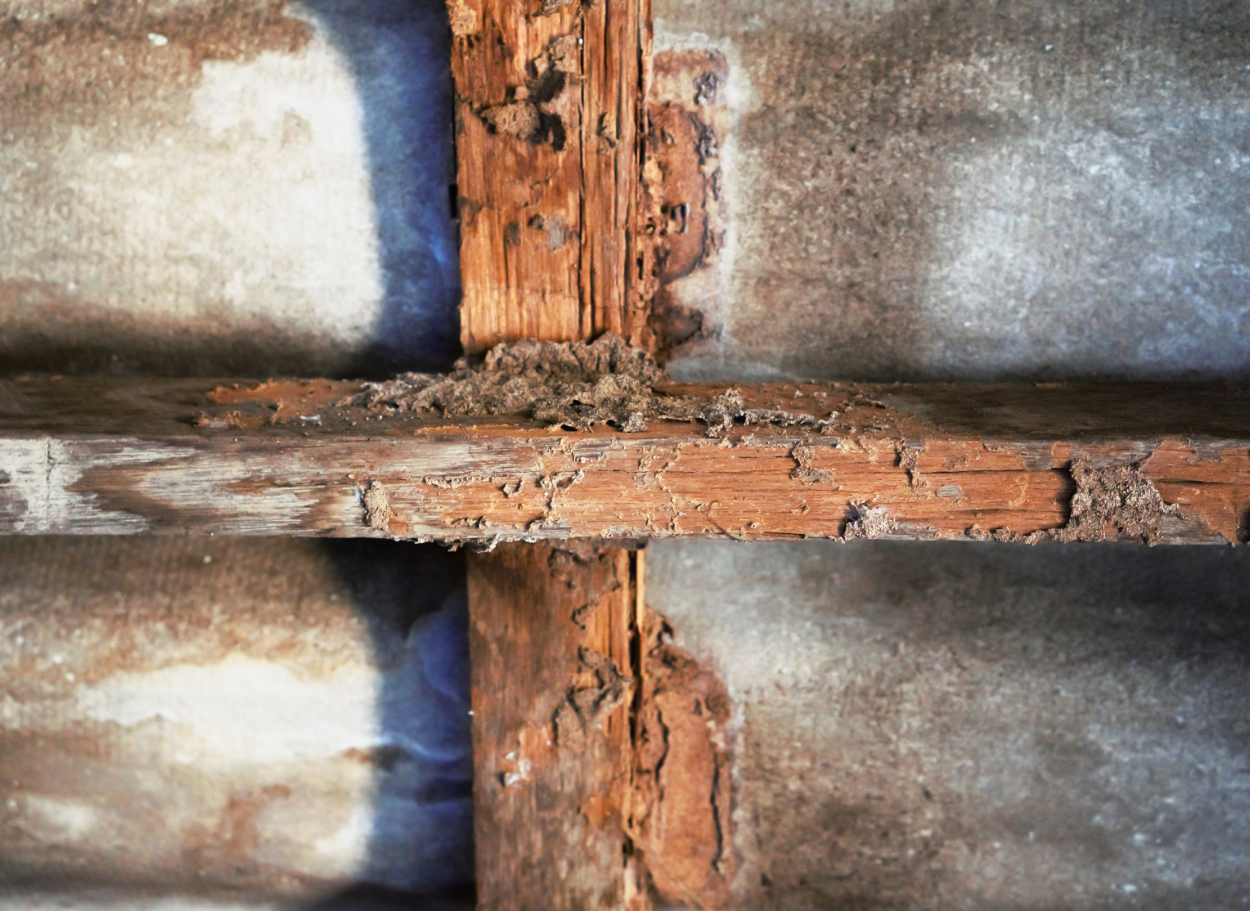
A house can look solid from the street and still be under quiet attack. That is one of the reasons termite problems become expensive so quickly. By the time a homeowner notices a blistered baseboard, a hollow-sounding door frame, or a faint line of mud climbing a foundation wall, the insects have often been feeding for months, sometimes years. They work out of sight, behind drywall, below flooring, inside sill plates, and along structural members that few people ever inspect closely.
That hidden nature is what makes termite damage different from many other home maintenance issues. A roof leak usually announces itself. A failed water heater tends to create a mess you cannot ignore. Termites are slower, quieter, and more methodical. They do not need dramatic conditions to thrive. In many regions, they simply need access to wood, moisture, and a route into the structure. Once they have that, the repair bill can grow well before the owner understands there is a problem.
This is where long-term thinking matters. Many people look at termite control as a one-time cost, or worse, as an optional service to postpone until there are visible signs of activity. In practice, the real value of professional Termite Control Services shows up over years, not days. It appears in lower repair costs, fewer unpleasant surprises during a sale, better protection for structural components, and greater confidence that the home is being managed rather than merely reacted to.
Why termite problems become so costly
Termites do not usually destroy a home overnight. The financial damage comes from accumulation. A colony can feed continuously, extending through framing, trim, subfloors, and sometimes built-in cabinetry. The insects consume cellulose, but the true cost comes from the labor and reconstruction required once damage is discovered. Contractors often need to open walls, remove finishes, replace compromised wood, and trace the extent of the infestation. That process can spread well beyond the original point of discovery.
I Termite Control Services maximumpests.com have seen owners assume the problem was limited to a small section of a window sill, only to learn that the surrounding framing, nearby insulation, and adjacent drywall also had to be addressed. The termite treatment itself was only one part of the expense. The bigger cost was restoring what had been quietly weakened.
The numbers vary by region, home design, and how long the infestation has been active. Minor corrective work may land in the hundreds or low thousands. More serious structural repairs can climb far beyond that. Homes with crawl spaces, poor drainage, old wood-to-soil contact, or deferred maintenance tend to face more complicated outcomes. Insurance also adds a hard truth here. Standard homeowners policies commonly exclude termite damage because it is considered preventable maintenance rather than sudden accidental loss.
That exclusion changes the calculation. When owners pay out of pocket for both treatment and repair, prevention starts to look less like an optional service and more like a sensible financial strategy.
The difference between spending and investing
Homeowners often use the word cost when they talk about pest work, but the better word is investment, especially when termite pressure is common in the area. Good Termite Control Services do more than kill active insects. They create a managed system of inspection, early detection, treatment, and follow-up.
That distinction matters. A low-cost treatment with little monitoring may solve the visible issue for a while, but it does not necessarily reduce long-term risk. A more complete service plan may include annual inspections, documentation, monitoring stations or bait systems where appropriate, and recommendations to correct conducive conditions around the structure. Those details are where long-term value is created.
A home is a long-duration asset. Most owners think in terms of years, not weeks. The systems that protect that asset should be evaluated on the same timeline. If a termite program prevents one moderate repair project over a decade, it may have more than paid for itself. If it also supports a smoother real estate transaction and preserves structural integrity, the value becomes even clearer.
Prevention is almost always cheaper than restoration
People rarely regret preventing damage they never have to see. The challenge is that prevention feels uneventful. There is no dramatic before-and-after photo for the owner to admire. There is just the absence of trouble, year after year.
In termite work, that quiet outcome is exactly the point. Professional prevention can include soil treatments, baiting systems, regular inspections, and recommendations to fix risk factors such as drainage issues, moisture around the foundation, or direct wood contact with soil. The exact approach depends on the home, construction style, termite species in the region, and local regulations.
A slab home in a warm, humid climate may need a different strategy from an older crawl-space house with mature landscaping and known moisture issues. A seasoned provider understands those nuances. They are not just applying product. They are reading the structure, the site, and the conditions that make termite activity more likely.
The practical advantage of prevention is timing. When professionals find signs early, they can often intervene before the infestation spreads deeply into the building envelope. That keeps treatment targeted and repairs limited. Once damage becomes obvious to the owner, the colony may already be well established.
What professional termite control adds that DIY rarely can
There is a market for do-it-yourself termite products, and some homeowners are tempted by the lower upfront price. The problem is not that store-bought products never work. The problem is that termite management is a diagnosis-and-coverage issue, not just a product issue.
Subterranean termites, the species many property owners deal with, travel through concealed pathways. Missing one entry point, one moisture source, or one active feeding area can leave the colony operating even after a visible area has been treated. Drywood termite situations bring their own complications, especially when activity is inside inaccessible framing or dispersed across multiple locations.
Professional Termite Control Services bring several things that are hard to replicate on your own:
- trained inspection methods that identify signs the average owner misses
- access to commercial treatment systems and application standards
- knowledge of species behavior and local infestation patterns
- documentation for warranty support and property records
- follow-up evaluation to confirm the problem is actually controlled
That expertise is not abstract. It affects outcomes. A technician who has inspected hundreds of crawl spaces can often spot subtle mud tubing, moisture patterns, and construction vulnerabilities in minutes. Someone without that experience may focus on the wrong symptoms and leave the root problem untouched.
The hidden value of regular inspections
Annual termite inspections can feel easy to skip, especially if the house looks fine and there has never been a known infestation. Yet regular inspections are often where the best return on investment appears. They convert termite control from crisis response into routine asset protection.
An inspection is not simply a hunt for active insects. A good one also looks for conditions that raise the odds of infestation. Leaking spigots, clogged gutters, poor grading, dense mulch piled against siding, and untreated wood debris in a crawl space all matter. So do structural features such as expansion joints, plumbing penetrations, and earth-filled porches that can create hidden access points.
One of the most useful things an experienced termite professional does is connect those dots for the owner. The service becomes partly corrective and partly educational. A homeowner may learn that a flower bed built up against the brick veneer is bridging inspection clearance, or that a slow condensation issue under an HVAC line is keeping framing damp enough to attract activity. Fixing those conditions improves the effectiveness of any treatment and lowers future risk.
That guidance has long-term value because termite prevention is rarely about one isolated fix. It is about managing the entire environment around the structure.
Property value and resale are part of the equation
Termite history can influence buyer confidence, lender requirements, and negotiation leverage during a sale. In some markets, wood-destroying insect inspections are routine. Even where they are not mandatory, visible damage or a lack of treatment history can raise red flags quickly.
Buyers tend to react strongly to anything that suggests hidden structural problems. If an owner can show a clear record of professional inspections, treatments, and ongoing maintenance, the conversation changes. Instead of explaining an unknown risk, they can demonstrate responsible stewardship. That does not erase every concern, but it often reduces suspicion and helps prevent a manageable issue from turning into a major pricing dispute.
I have seen transactions where a seller spent a modest amount over several years on monitoring and documented service, then avoided a far larger concession when the house went under contract. The records mattered. They showed continuity, not neglect. Buyers and inspectors had something concrete to review, and the deal stayed focused on facts rather than fear.
That resale advantage is easy to underestimate because it does not show up until the owner is already preparing to move. By then, there is little time to build a maintenance history. Either the records exist or they do not.
Long-term protection depends on matching the service to the home
Not every termite program is equally valuable. The long-term return depends on fit. Homes differ in age, design, site conditions, previous treatment history, and vulnerability. A thoughtful provider should tailor the plan instead of defaulting to the same pitch for every property.
A newer home with no signs of activity but several conducive conditions may benefit most from preventive monitoring and moisture correction. An older property with a prior infestation and complex foundation geometry may justify a more robust treatment and a tighter inspection schedule. Homes surrounded by heavy vegetation or located in neighborhoods with repeated termite reports often warrant a more proactive posture.
Owners should expect a provider to explain trade-offs. Bait systems can offer continuous monitoring and colony suppression, but they require regular service and patience. Liquid treatments may provide strong immediate protection in many situations, but the quality of application and property accessibility matter. In some cases, the best approach combines methods rather than treating them as either-or choices.
That kind of judgment is where experienced Termite Control Services stand apart. They do not sell protection as a generic commodity. They build a strategy around the actual risk profile of the structure.
The role of moisture control and maintenance
Termite control is stronger when it is integrated with basic building maintenance. Moisture is a recurring theme because damp conditions support both termite activity and wood deterioration. A house with chronic water management problems is simply harder to protect over the long haul.
This is one area where owners can improve returns from professional service. When a provider recommends correcting drainage, venting a crawl space properly, repairing leaks, or removing wood debris, those suggestions are not side notes. They are part of the protection plan. Ignoring them can make even a good treatment less effective.
The most common conditions worth addressing are straightforward:
- soil or mulch piled too high against siding or foundation walls
- leaky hose bibs, gutters, downspouts, or condensate lines
- untreated wood in contact with soil
- poor crawl-space ventilation or persistent standing moisture
- firewood or scrap lumber stored against the house
None of these conditions guarantees an infestation. They simply make the property more attractive and more accessible to termites. Over time, that increased exposure raises the odds that treatment alone will not be enough.
Warranties, service agreements, and what they really mean
Some of the long-term value in professional termite work comes from the structure of the service agreement itself. A warranty or renewable protection plan can provide ongoing inspections, retreatment if activity is found, and in some cases limited repair coverage, depending on the company and contract terms. Owners should read those details carefully. Not every warranty is the same, and the cheapest option may offer the least meaningful protection.
A strong agreement has value beyond the paper. It creates accountability. The provider has a reason to monitor the property over time, maintain records, and respond if conditions change. The homeowner gains a recurring checkpoint rather than relying on memory or guesswork.
That said, a warranty should never be treated as permission to ignore maintenance. Companies can and do require owners to correct certain issues, keep access available, and maintain the property reasonably. If a crawl space becomes inaccessible or a known leak goes unrepaired for months, coverage may become more complicated. Long-term protection works best when both sides do their part.
When delaying service becomes the expensive choice
People often postpone termite service for understandable reasons. Budgets are tight. The house seems fine. Another repair feels more urgent. The problem is that termites do not pause while the owner thinks it over.
Delay is especially risky in a few situations. One is when there are already signs of activity, even if they look minor. Another is when a home has a history of infestation but no active monitoring. A third is when moisture issues or wood-to-soil contact have been present for a long time. In these cases, waiting can shift the cost curve sharply in the wrong direction.
What starts as a preventive service call can turn into treatment plus carpentry, drywall repair, paint work, and temporary disruption to daily life. For landlords and property managers, the costs can also include tenant complaints, scheduling complexity, and unit downtime. For business owners, termite problems can affect operations and reputation if visible damage appears in customer-facing spaces.
The lesson is not that every property needs the most expensive plan available. It is that the cost of waiting is often hidden until it becomes difficult to control.
A practical way to judge return on investment
Homeowners sometimes ask how to measure whether termite service is worth it. The answer is not always a neat spreadsheet, but there is a practical way to think about it.
Start with exposure. If the property sits in a region where termites are common, the baseline risk is real. Then look at vulnerability. Older wood elements, moisture problems, landscaping against the structure, and prior infestation history all raise the stakes. Finally, compare those risks with the likely cost of repair if damage goes undetected for years. That comparison usually clarifies the value quickly.
The return is not only about avoiding catastrophic loss. It is also about reducing uncertainty. Many owners pay for routine HVAC maintenance, roof inspections, and plumbing repairs not because failure is guaranteed, but because deferred issues become more expensive. Termite protection belongs in that same category of disciplined property care.
The homes that age best are rarely the ones whose owners get lucky. They are the ones that are monitored, maintained, and protected before small vulnerabilities become large bills.
What smart owners tend to do differently
In my experience, property owners who get the most value from termite protection share a few habits. They do not treat the service as a box to check once and forget. They ask questions, keep records, and act on maintenance advice. They also understand that no treatment can compensate forever for poor drainage, chronic moisture, or structural neglect.
They usually choose providers based on inspection quality and service reliability rather than price alone. That does not mean overspending. It means looking past the initial quote. A cheaper plan that misses activity, lacks follow-up, or leaves key risk factors unaddressed can become very expensive later.
Most important, they think in years. They recognize that a home is not protected by a single visit. It is protected by a pattern of care. Professional Termite Control Services fit that pattern because they bring continuity, expertise, and early intervention to a problem that is otherwise designed to stay hidden.
A termite colony does not care whether an owner planned for it. It only responds to conditions and access. Investing in professional control changes those conditions. It reduces access. It shortens the time between activity and detection. It protects the structure before damage becomes part of the budget.
That is the long-term value, plain and simple. You are not just paying to remove insects. You are paying to preserve wood, avoid disruption, support resale, and keep one of the most expensive assets most people will ever own from being quietly eaten from the inside out.
Maximum Pest Control
836 NE 7th Terrace Suite #5
Cape Coral, FL 33909
+1 239-772-7363
FAQ About Termite Control Services
What are two signs of a termite infestation?
Mud tubes along a foundation and piles of shed wings near doors or windows are two signs to investigate. Mud tubes are associated with subterranean termites. A licensed inspector can identify the insect and assess whether there is active infestation.
How many years does a termite treatment last?
There is no single timeline for all treatments. The method, site conditions, and maintenance affect how long protection lasts. Bait systems rely on monitoring and service. Ask the provider for the recommended inspection schedule and the terms of any coverage.
Is Termite Treatment Expensive in Cape Coral?
Cost depends on the termite species, the size and construction of the property, the extent of activity, and the treatment method. Request a written estimate after inspection and ask whether monitoring, follow-up visits, and renewals are included.